The distinctions between the digital and non-digital worlds can sometimes blur, particularly when considering early, complex machines. In these cases, the differences might not be immediately apparent. Join me on a journey through history as we explore what makes some of these object digital and why?

Ancient World (~3400 B.C. – ~500 A.D.)
- Abacus: Digital. The Abacus uses the discrete positions of beads to represent numbers and help with calculation, which is why it is digital.
- Written Language (Cuneiform, Hieroglyphs, Alphabets): Not Digital. These languages use discrete symbols (letters, characters) to represent sounds or concepts, but the medium (clay, papyrus, stone) and creation methods are physical making it analog.
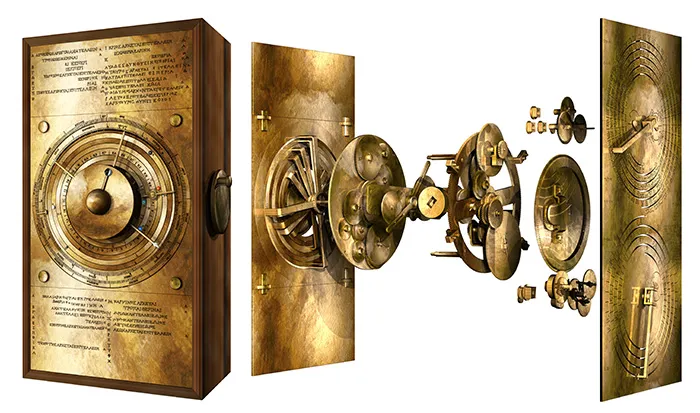
- Antikythera Mechanism: Not Digital. This device was a highly complex mechanical computer using gears to model astronomical movements which were inherently analog, which is why this machine is not digital.
Medieval Period (~500 A.D. – ~1600 A.D.)
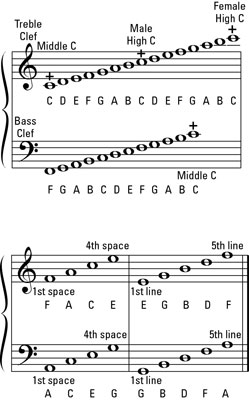
- Musical Notation or Staff Notation: Digital. The Staff Notation uses discrete symbols on a staff (lines on a sheet of paper) to represent musical pitch and duration, a symbolic code that makes it Digital.
- Mechanical Clock: Not Digital. While you may think this is digital the mechanical clock is not as it measures time through the continuous motion of interconnected gears, making it an analog device.
- Tally Sticks: Not Digital. Used for recording debts or quantities, information was encoded using discrete notches carved into wood. It’s a physical or mechanical way to store data making it not digital
3. Early Modern & Industrial Revolution (~1600 – ~1940s)
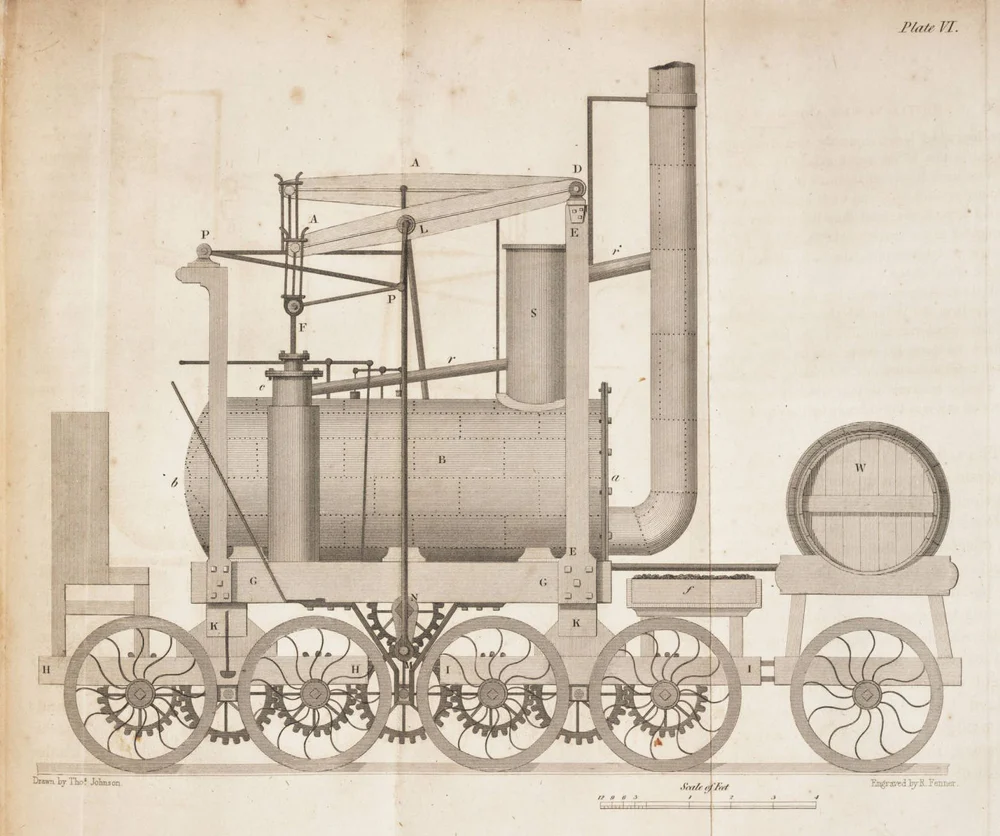
- Steam Engine Not Digital: Relied on continuous physical processes (heat and pressure) converted to mechanical motion, making it fundamentally analog.
- Telegraph Digital: Used discrete on/off electrical pulses (Morse code) to represent information, which made it an early form of digital communication.
- Analog Telephone Not Digital: Transmitted sound as a continuous, varying electrical signal that mirrored the sound waves, hence it was analog.
4. The Digital Age (~1940s – Present)
- Electronic Computer Digital: Processes information using discrete binary code (0s and 1s) transmitted by circuits, making it inherently digital.
- Internet / World Wide Web Digital: Transmits and manages information as discrete groups of data across a network.
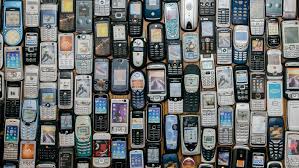
- Smartphone Digital: Brigns together various digital technologies for communication, computation.